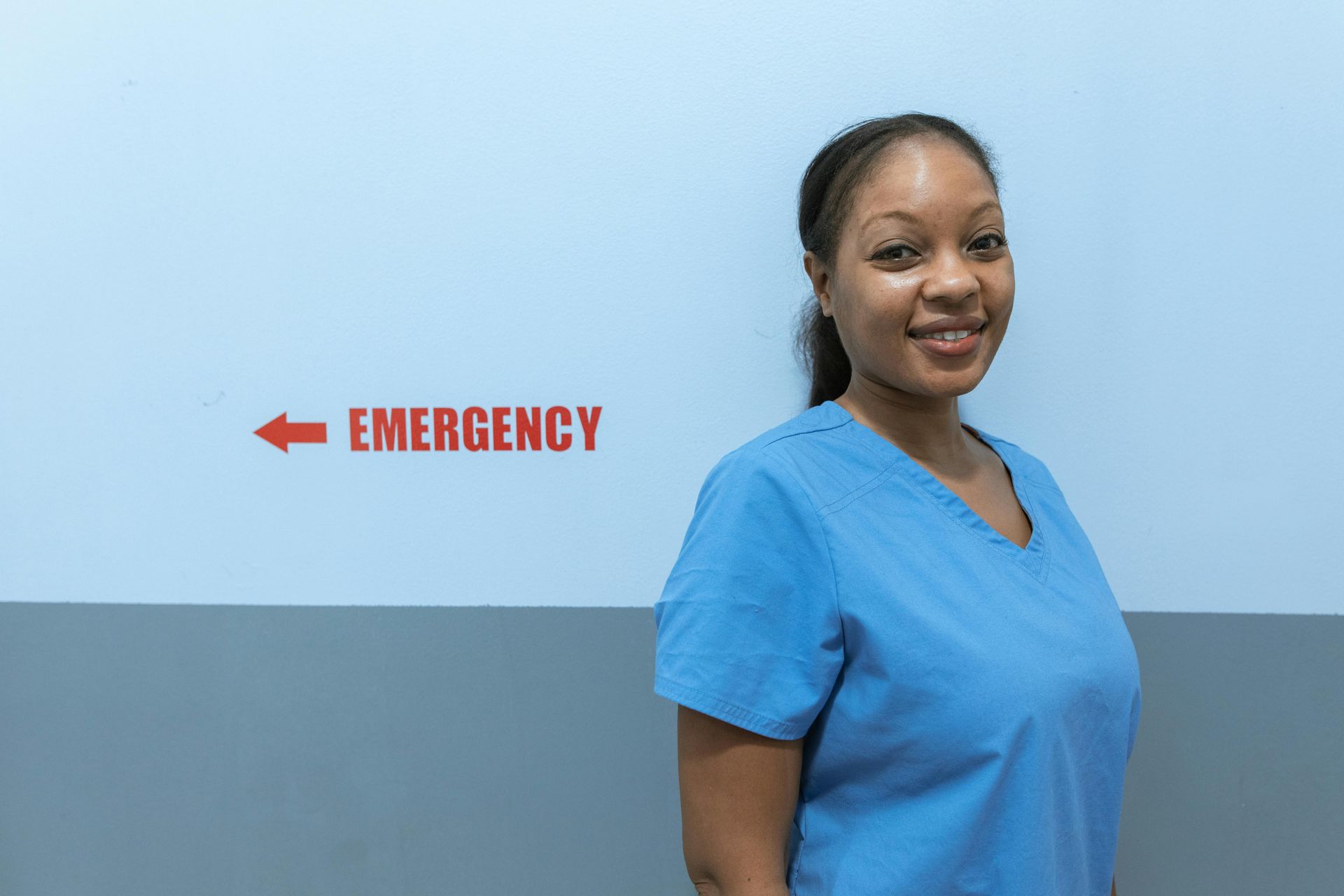

A recent HR Executive article titled “ER Visits to Grow 5% by 2035, Driven by Sicker Patients, Care Barriers” underscores a reality every healthcare leader must confront: hospitals aren’t just seeing more patients—they’re seeing sicker, higher-acuity cases that demand deeper staffing, faster credentialing, and stronger compliance systems.
The report, based on Vizient, Inc. data, forecasts a 5% increase in ER visits by 2035, with emergent cases rising 8%. For hospital administrators, HR teams, and staffing leaders, this isn’t just a metric—it’s a mandate. Hospitals must modernize hiring, onboarding, and credential verification now to avoid being understaffed when patient demand peaks.
What the numbers reveal
- Emergent visits—those requiring immediate intervention—increased 6% year-over-year and now represent about two-thirds of all ER visits.
- The average length of stay for emergent visits is 5.3 hours, more than double that of urgent (non-emergent) visits at 2.4 hours.
- While the admission rate remains stable at 23%, the growing number of ER visits means two-thirds of all inpatient admissions now originate from emergency departments.
- Over the next decade, emergent cases will rise 8%, while urgent cases remain flat, indicating higher complexity rather than simple volume growth.
- Larger hospitals—those with more than 25,000 annual visits—face longer patient stays and more severe operational bottlenecks.

Why healthcare hiring and credentialing matter more than ever
Higher-acuity patients require more qualified staff
As clinical complexity grows, hospitals must ensure rapid access to credentialed nurses, specialists, and allied health professionals. Credentialing delays or outdated systems can directly affect patient outcomes.
Throughput depends on adequate staffing and smart scheduling
ER wait times and inpatient boarding are no longer just logistical challenges—they’re compliance risks. Overstretched staff increase the chance of burnout and medical errors.
Inpatient and ED staffing must work as one system
With two-thirds of admissions originating in the ER, the days of siloed staffing models are over. Hospitals need real-time visibility across departments, supported by integrated HR and credentialing platforms.
Smaller hospitals still face systemic pressure
Even facilities with shorter average stays will experience staffing strain as total visits rise. Predictive hiring tools and role-based screening workflows help these teams stay proactive.
Strategic workforce planning is non-negotiable
The projected 8% growth in emergent visits signals the need for data-driven workforce management—from background checks to license tracking. Staffing decisions must look 5–10 years ahead, not just one quarter.
Actions for healthcare HR and compliance leaders
- Integrate background screening and credentialing into one unified workflow to reduce onboarding time.
- Use real-time data to forecast staffing needs by acuity level, not just headcount.
- Build flexible workforce pools and cross-train staff across departments.
- Automate license renewal alerts, credential expirations, and compliance monitoring.
- Strengthen retention strategies for critical roles like nurses and emergency techs.
- Implement mobile-friendly onboarding tools to accelerate hiring and reduce candidate drop-off.
- Align HR, compliance, and operations teams with shared visibility into staffing metrics.
The bottom line
The rise in emergency visits and patient acuity is already reshaping healthcare operations. Hospitals that continue relying on manual processes, fragmented HR systems, and outdated screening tools risk longer onboarding times, credentialing gaps, and compliance exposure—all of which directly impact patient care.
Modern, connected staffing solutions like Vetty help healthcare organizations move faster, stay compliant, and protect both patients and staff. Because in healthcare, staffing correctly isn’t just about efficiency—it’s about saving lives.